
You’ve heard of both. You might already use one of them. But you’re wondering: should I switch? Should I pay? Is one actually smarter than the other — or is this just marketing noise?
Here’s the truth: in 2026, Claude (made by Anthropic) and ChatGPT (made by OpenAI) are two of the most capable AI tools ever built. Their flagship models — Claude Sonnet 4.6 and GPT-5.4 — are neck-and-neck on most academic benchmarks. The real differences aren’t in raw horsepower anymore.
The differences that matter are in features, writing style, privacy policies, integrations, and specific use cases. That’s what this guide is about.
We’ll break down every dimension that matters to everyday Americans: price, writing quality, coding ability, image generation, voice, privacy, and more. By the end, you’ll know exactly which one fits your life.
TL;DR:
Both cost $20/month. Claude wins for writing, long documents, coding depth, and privacy. ChatGPT wins for image generation, voice, live web browsing, and app integrations. For most everyday users, ChatGPT Plus offers more features. For students, writers, and developers, Claude Pro delivers more depth.
 ChatGPT
 Grok
Grok
 Claude
 Perplexity
 Google AI
- 1 What Are Claude and ChatGPT?
- 2 Pricing: What Do You Get for Your Money?
- 3 Full Feature Comparison: Claude vs ChatGPT 2026
- 4 Writing Quality: Which AI Writes Better?
- Claude wins for writing when you need:
- ChatGPT is better when you need:
- 5 Coding Ability: Claude vs ChatGPT for Developers
- 6 Multimodal Features: Images, Voice, and Video
- ChatGPT offers:
- Claude offers:
- 7 Real-Time Web Browsing & Research
- 8 Context Window: Claude vs ChatGPT Which AI Remembers More?
- 9 Privacy & Data Policies: Claude vs ChatGPT Who Protects Your Data?
- Claude privacy defaults:
- ChatGPT data policy:
- 10 Integrations & Ecosystem: Which AI Connects to More?
- ChatGPT integrations:
- Claude integrations:
- 11 Who Should Use What: Use Case Decision Guide
- Choose Claude if you are:
- Choose ChatGPT if you are:
- Use both if you are:
- 12 Benchmark Performance: Claude vs ChatGPT By the Numbers (2026)
- 13 The Verdict for 2026
- 14 Frequently Asked Questions
- Q: Is Claude smarter than ChatGPT in 2026?
- Q: What is the difference between Claude and ChatGPT?
- Q: Does Claude have a free plan?
- Q: Can Claude browse the internet like ChatGPT?
- Q: Which AI is better for coding: Claude or ChatGPT?
- Q: Which AI is more private — Claude or ChatGPT?
- Q: Can I use Claude and ChatGPT at the same time?
- Q: What is Claude Sonnet 4.6?
What Are Claude and ChatGPT?
Claude is an AI assistant built by Anthropic, a safety-focused AI company. It is designed for nuanced writing, long-document analysis, coding, and complex reasoning. It does not train on your conversations by default.
ChatGPT is an AI assistant built by OpenAI. It is the most widely used AI tool in the world and offers text, image generation, voice mode, live web browsing, and thousands of integrations.
| Claude (Anthropic) | ChatGPT (OpenAI) |
| Nuanced writing, long-doc analysis, coding | All-in-one: text, image, voice, browsing |
| Does NOT train on your chats by default | Trains on chats unless you opt out |
| 200K token context window (default) | 128K token context window (default) |
| $20/month Pro plan | $20/month Plus plan |
Pricing: What Do You Get for Your Money?
Both tools follow the same pricing tiers in 2026. The difference is what each plan includes.
| Plan | Claude | ChatGPT |
| Free | Claude Sonnet, 200K context, daily limit | GPT-4o, ~40 msgs/3hrs, basic image gen |
| Pro / Plus ($20/mo) | Sonnet 4.6 + Opus 4.6, priority access | GPT-5.4, image gen, voice, live web |
| Max / Pro ($200/mo) | All models, higher limits, Claude Code | Unlimited top models, advanced voice |
| API (Sonnet tier) | $3 / $15 per 1M tokens (in/out) | $2.50 / $10 per 1M tokens (in/out) |
Key Takeaway: At $20/month, ChatGPT Plus bundles more multimedia features. Claude Pro gives you a larger context window and stronger writing depth. Choose based on whether you need multimedia (ChatGPT) or document and writing support (Claude).
Full Feature Comparison: Claude vs ChatGPT 2026
| Feature | Claude | ChatGPT | Winner |
| Context Window | 200K tokens | 128K tokens | Claude |
| Writing Quality | Natural, nuanced | Good, compliant | Claude |
| Coding Ability | ~74% SWE-bench | ~74.9% SWE-bench | Tie |
| Image Generation | Not available | DALL-E built in | ChatGPT |
| Voice Mode | Not available | Advanced Voice Mode | ChatGPT |
| Live Web Browsing | Limited search | Full live access | ChatGPT |
| Privacy Default | No training on chats | Trains unless opt-out | Claude |
| App Integrations | Growing ecosystem | 8,000+ connections | ChatGPT |
| Best For | Writing, docs, coding | Multimedia, research | Use-case dependent |
Writing Quality: Which AI Writes Better?

Claude consistently produces more natural and human-sounding prose. ChatGPT produces solid writing but tends to be more formulaic and instruction-following. For essays, research papers, cover letters, and long-form content, most writers prefer Claude.
Claude wins for writing when you need:
- Long-form essays, reports, and research papers
- Stylistic nuance and tonal control
- Creative writing: fiction, poetry, and screenplays
- Context retention across long documents (200K token window)
- Constructive feedback on your own brief
ChatGPT is better when you need:
- Quick drafts and content marketing copy
- Strict instruction-following without pushback
- Content paired with image or multimedia generation
For students: If you are writing essays, research papers, or academic content, Claude is the stronger choice. Its writing feels more considered and less templated.
Coding Ability: Claude vs ChatGPT for Developers

Both Claude and ChatGPT score around 74 to 75 percent on the SWE-bench Verified benchmark as of early 2026. The gap in raw coding performance is minimal. The real difference is in how each handles complex, multi-file codebases and developer workflows.
| Claude Code | ChatGPT Codex |
| Best for large, multi-file codebases | Best for quick snippets and in-browser execution |
| 200K context handles entire repositories | In-browser Python execution for data scientists |
| Powers Cursor IDE for professional devs | Broad plugin ecosystem for dev tools |
| Strong at refactoring and architecture | Advanced Data Analysis for CSV and Excel files |
Bottom line: Use Claude if you work with long files and complex architecture. Use ChatGPT if you want quick code generation and in-browser scripting.
Explore: Can AI Help You Study for the US Citizenship Test?
Multimodal Features: Images, Voice, and Video
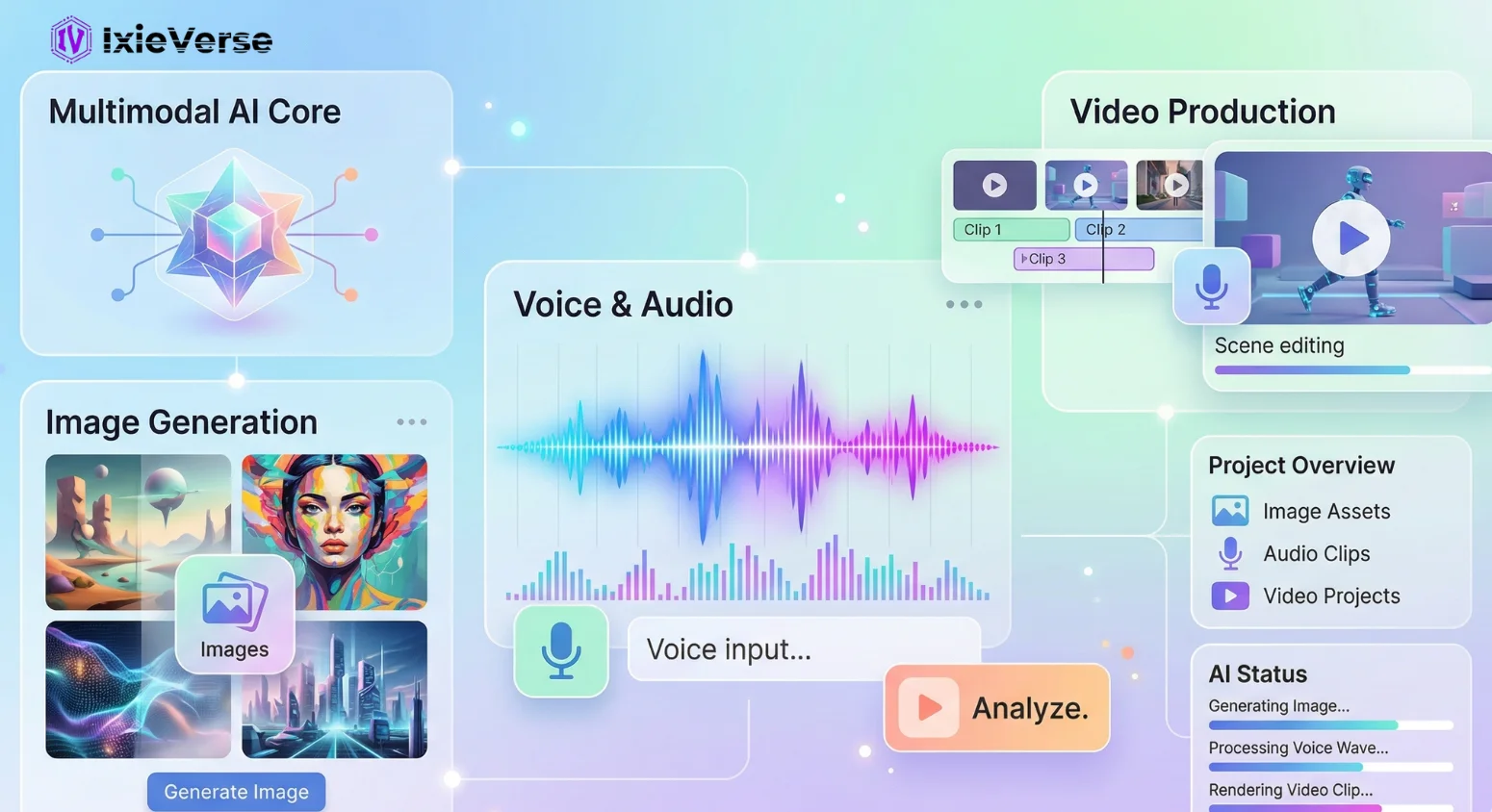
ChatGPT wins this category outright. It offers native DALL-E image generation, Advanced Voice Mode, and the ability to process audio and images natively. Claude does not generate images or support voice mode as of mid-2026.
ChatGPT offers:
- DALL-E integration: generate images directly inside chat
- Advanced Voice Mode: real-time, conversational voice with emotional range
- Vision: analyze uploaded images, charts, and screenshots
- Sora: video generation on paid tiers
Claude offers:
- Vision: analyze uploaded images and documents
- No image generation, no voice mode, no video
If your daily work involves social media visuals, voice notes, or video content, ChatGPT Plus at $20 per month delivers significantly more value.
Real-Time Web Browsing & Research

ChatGPT has full live web browsing. It can search the internet, read current articles, and pull real-time data. Claude has a limited web search tool but is not as comprehensive for live research.
- ChatGPT: full live browsing, real-time news, stock prices, and current event research
- Claude: limited search tool; better suited for document analysis than live web queries
For students: If you need to fact-check current events or pull recent statistics for a paper, ChatGPT is the more capable research assistant for live data.
Context Window: Claude vs ChatGPT Which AI Remembers More?
The context window is how much text an AI can process in a single conversation. Think of it as working memory.
| Model | Default Context Window |
| Claude Sonnet 4.6 | 200K tokens |
| GPT-5.4 (ChatGPT) | 128K tokens |
Claude’s 200K default context window is a meaningful advantage for anyone working with large documents such as research papers, full book manuscripts, or long codebases. For average users, 128K is more than enough.
Discover: How to Use AI to Make Money Online in 2026
Privacy & Data Policies: Claude vs ChatGPT Who Protects Your Data?

Claude does not train on your conversations by default. ChatGPT does train on your conversations unless you manually opt out in Settings.
Claude privacy defaults:
- Anthropic does not use your chat history to train models
- No opt-out required. Privacy is automatic.
- HIPAA-compliant path available for Teams plans
- Preferred by legal, medical, and compliance professionals
ChatGPT data policy:
- OpenAI trains on conversations unless you disable this in Settings > Data Controls
- The opt-out is easy to find but is not the default
- Enterprise plans offer stronger data protections
Important: If you paste personal documents, medical records, or financial information into your AI, this difference matters. Claude protects you automatically. With ChatGPT, you need to take action first.
Integrations & Ecosystem: Which AI Connects to More?
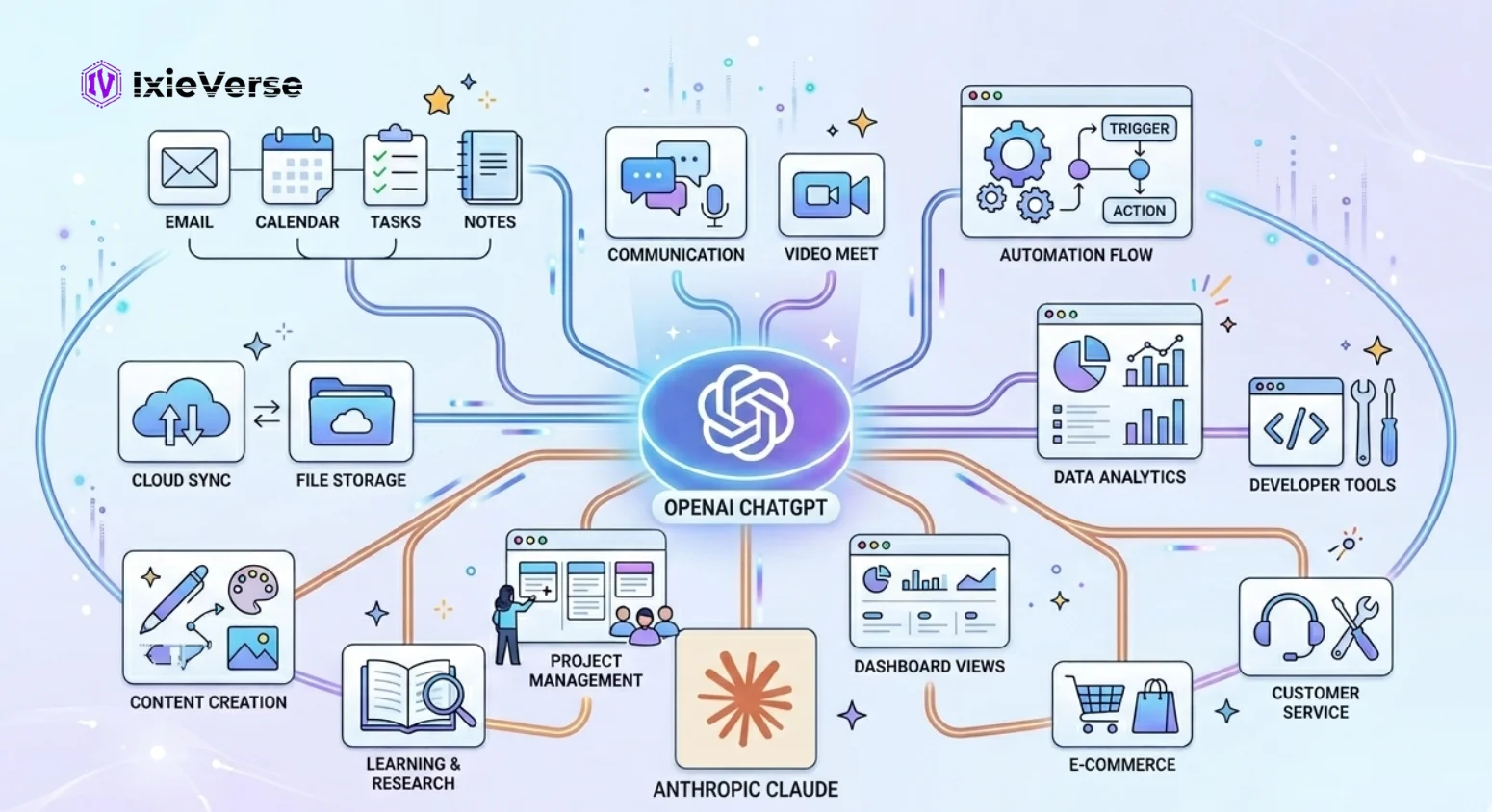
ChatGPT has a significantly larger integration ecosystem. The GPT Store hosts thousands of custom tools, and native integrations cover Microsoft Office, Zapier, Slack, and hundreds of productivity apps. Claude’s ecosystem is growing but remains narrower.
ChatGPT integrations:
- Microsoft 365: Word, Excel, Outlook, and Teams via native Copilot
- GPT Store: thousands of specialized custom tools
- Zapier, Slack, HubSpot, Salesforce, and 8,000 plus app connections
- Advanced Data Analysis: run Python code in-chat and upload CSV or Excel files
Claude integrations:
- Claude.ai web, mobile, and desktop apps
- Claude Code: developer CLI tool for agentic coding
- Claude in Excel, PowerPoint, and Chrome (beta)
- Zapier integration available
Who Should Use What: Use Case Decision Guide

Choose Claude if you are:
- A student writing detailed essays or research papers
- A writer or journalist who needs natural, nuanced prose
- A developer working on complex, multi-file codebases
- A researcher analyzing lengthy reports or whitepapers
- A professional handling sensitive or confidential information
Choose ChatGPT if you are:
- A student needing real-time fact-checking and current research
- A content creator who needs images, voice, and video
- A marketer running automated workflows across apps
- A general user who wants one AI for everything
- Someone heavily embedded in Microsoft 365
Use both if you are:
- A power user who hits usage limits on one platform
- A freelancer who needs writing depth and multimedia generation
- A developer who wants Claude for coding and ChatGPT for research
Note: At $40 per month total, using both Claude Pro and ChatGPT Plus is a valid strategy many professionals have already adopted.
Also Read: What Are Google AI Overviews? How They Work, Why They Matter & How to Win in 2026
Benchmark Performance: Claude vs ChatGPT By the Numbers (2026)
| Benchmark | Claude Sonnet 4.6 | GPT-5.4 | Edge |
| Coding (SWE-bench) | 74%+ | 74.9% | Tie |
| Reasoning (GPQA) | 91.3% | 92.8% | ChatGPT |
| Long-doc Analysis | Leader (200K ctx) | Strong (128K ctx) | Claude |
| Writing Quality | Natural prose | Good, compliant | Claude |
| Multimodal | Limited | Full suite | ChatGPT |
| Response Speed | Fast | Fast | Tie |
The performance gap between Claude and ChatGPT has narrowed to near-zero on most benchmarks. Choosing the right tool now means picking based on features and workflow fit, not raw intelligence.
Find Out: AI for Small Business (2026): Best Tools, Costs & Proven ROI Guide
The Verdict for 2026
Both Claude and ChatGPT are exceptional tools in 2026. The gap in raw intelligence is smaller than it has ever been. The decision is no longer about which AI is smarter. It is about which one fits your life.
If you value writing quality, document analysis, coding depth, and automatic privacy protection, Claude is your AI. If you want images, voice, live web research, and a massive app ecosystem, ChatGPT is your AI.
Not sure? Start with the free tiers. Give each tool the same five tasks from your actual work. Compare the results. The right answer will make itself clear within a week.
Frequently Asked Questions
Q: Is Claude smarter than ChatGPT in 2026?
A: They are essentially equal in intelligence. Claude Sonnet 4.6 and GPT-5.4 score within 1–2% of each other on most benchmarks as of early 2026. Claude leads on long-document tasks and writing quality; ChatGPT leads on multimodal and real-time research. Neither is definitively ‘smarter.’
Q: What is the difference between Claude and ChatGPT?
A: Claude (Anthropic) specializes in nuanced writing, long-document analysis, and coding — with strong default privacy protections. ChatGPT (OpenAI) is a broader all-in-one tool with image generation, voice mode, live web browsing, and a vast integration ecosystem. Both cost $20/month for paid plans.
Q: Does Claude have a free plan?
A: Yes. Claude’s free plan gives you access to Claude Sonnet with a daily message limit and the full 200K token context window — one of the most generous free-tier context windows in the industry. Paid plans start at $20/month (Claude Pro).
Q: Can Claude browse the internet like ChatGPT?
A: Not with the same depth. Claude has a basic web search tool for limited lookups. ChatGPT has full live browsing capability — it can read current news, check real-time prices, and access recent articles. For live research tasks, ChatGPT is the stronger choice.
Q: Which AI is better for coding: Claude or ChatGPT?
A: Both score near-identically on the SWE-bench coding benchmark (~74–75%). Claude has an edge for large codebases thanks to its larger context window, and Claude Code is popular among professional developers. ChatGPT’s Codex and in-browser Python execution suit quick scripting and data analysis. It’s essentially a tie, depending on your workflow.
Q: Which AI is more private — Claude or ChatGPT?
A: Claude is more private by default. Anthropic does not train on your conversations unless you opt in. ChatGPT trains on your data by default — you need to manually disable this in Settings. For handling sensitive personal, legal, or medical information, Claude’s default stance is safer.
Q: Can I use Claude and ChatGPT at the same time?
A: Yes, and many professionals do. For $40/month total (both Pro/Plus plans), you get the best of both: Claude’s writing depth and privacy for sensitive work, and ChatGPT’s multimedia generation and integrations for everything else. Using both is a valid strategy for heavy AI users.
Q: What is Claude Sonnet 4.6?
A: Claude Sonnet 4.6 is Anthropic’s flagship everyday model as of 2026 — balancing speed, intelligence, and cost. It’s the model most Claude users interact with at the $20/month Pro tier. Claude Opus 4.6 is the heavier, more capable model available on higher plans, optimized for complex reasoning and long tasks.





Add a Comment