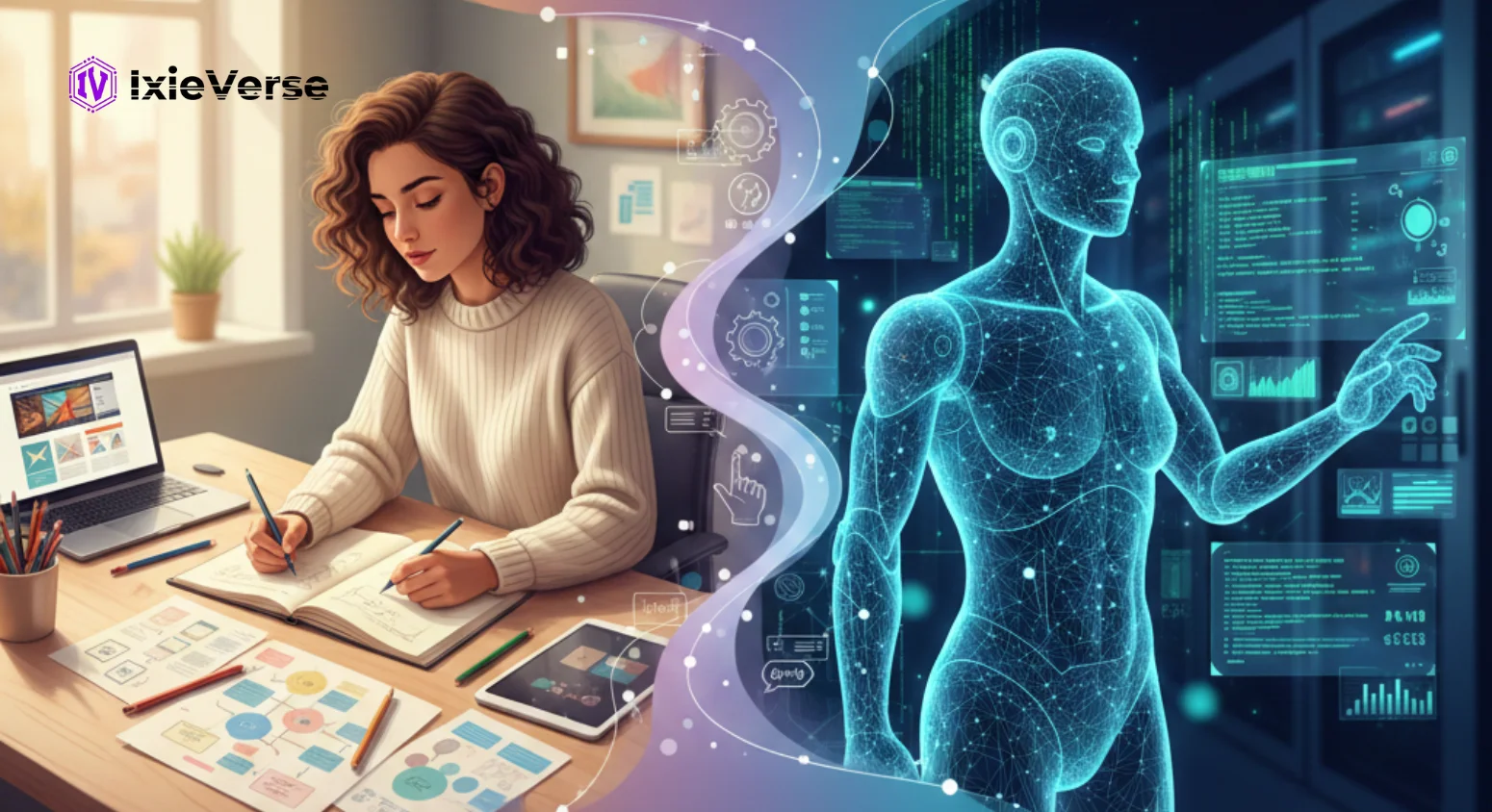
A lot of people are quietly asking the same question: Will AI replace human jobs?
You see new AI tools every week. Chatbots. Automation software. Smart systems writing code, designing graphics, even handling customer support. It makes you wonder — what happens to real jobs?
The truth is, the impact of AI on jobs is already here. Some roles are shrinking. Others are growing fast. And the future of work won’t look anything like it did five years ago.
So where do you stand? Are you in a job at risk from AI automation — or building skills for the AI era? Let’s break it down clearly, with real data and practical insights you can actually use.
 ChatGPT
 Grok
Grok
 Claude
 Perplexity
 Google AI
- 1 Embracing AI in the Workplace
- 2 The Impact of AI on Jobs
- Jobs Most at Risk from AI
- Jobs AI Cannot Replace Easily
- Job Displacement by AI vs Job Creation
- 3 Essential Skills for the AI Era
- Digital Literacy
- Data Literacy
- Critical Thinking
- Creativity
- Adaptability
- Emotional Intelligence
- 4 Embracing Lifelong Learning
- 5 Conclusion
- 6 Frequently Asked Questions
- 1. Will AI replace human jobs completely?
- 2. What jobs are most at risk from AI automation?
- 3. What are the safest jobs from AI?
- 4. What skills are needed in the AI era?
- 5. Is AI creating new jobs?
- 6. How can I protect my career from AI job displacement?
Embracing AI in the Workplace

AI isn’t coming, it’s already here. Most companies are using AI automation in some form, whether employees realize it or not.
The real question isn’t AI vs human jobs. It’s how humans work with AI.
Businesses are adopting AI in the workplace to:
- Automate repetitive tasks
- Improve speed and accuracy
- Reduce operational costs
- Analyze large amounts of data faster
This doesn’t automatically mean job loss. In many cases, it means workforce transformation. Roles shift. Tasks change. Expectations evolve.
For example:
- Customer support teams now use AI-powered chat systems to handle basic queries.
- Marketing teams use AI tools for content drafts and data analysis.
- HR teams rely on AI to screen resumes faster.
The impact of AI on jobs depends on how companies implement it. When AI is used as a support system, it increases productivity. When it replaces repetitive tasks, it frees people to focus on higher-value work.
That’s the key shift in the future of work, humans handling judgment, creativity, and emotional intelligence, while machines handle repetition and scale.
Also Read: Best AI Tools for Students
The Impact of AI on Jobs

People hear about AI automation and immediately think one thing: job loss. That fear isn’t random — the impact of AI on jobs is real and already visible in some industries.
But the full picture is more balanced. AI is replacing certain tasks, not entire professions. At the same time, it’s creating new roles that didn’t exist a few years ago.
Here’s where the shift is happening:
Jobs Most at Risk from AI
These roles involve repetitive, rule-based work. That’s where automation works best.
- Data entry and basic admin work
- Routine customer support
- Basic bookkeeping
- Simple manufacturing tasks
These jobs are vulnerable because AI systems can follow patterns faster and cheaper.
Jobs AI Cannot Replace Easily
Not all work can be automated. Roles that require human judgment, empathy, or creativity are harder to replace.
- Healthcare professionals
- Skilled trades
- Creative roles (design, strategy, storytelling)
- Leadership and management
This is where human vs machine intelligence becomes clear. Machines process data. Humans handle context, emotion, and complex decisions.
Job Displacement by AI vs Job Creation
Yes, some jobs are shrinking. But AI job creation is also growing fast.
New roles include:
- AI engineers and data scientists
- AI ethics specialists
- Automation managers
- Cybersecurity experts
The future of work isn’t about total replacement. It’s about workforce transformation — where people who adapt and build skills for the AI era stay ahead.
Explore: ChatGPT for Productivity: Daily Workflows & Tips
Essential Skills for the AI Era
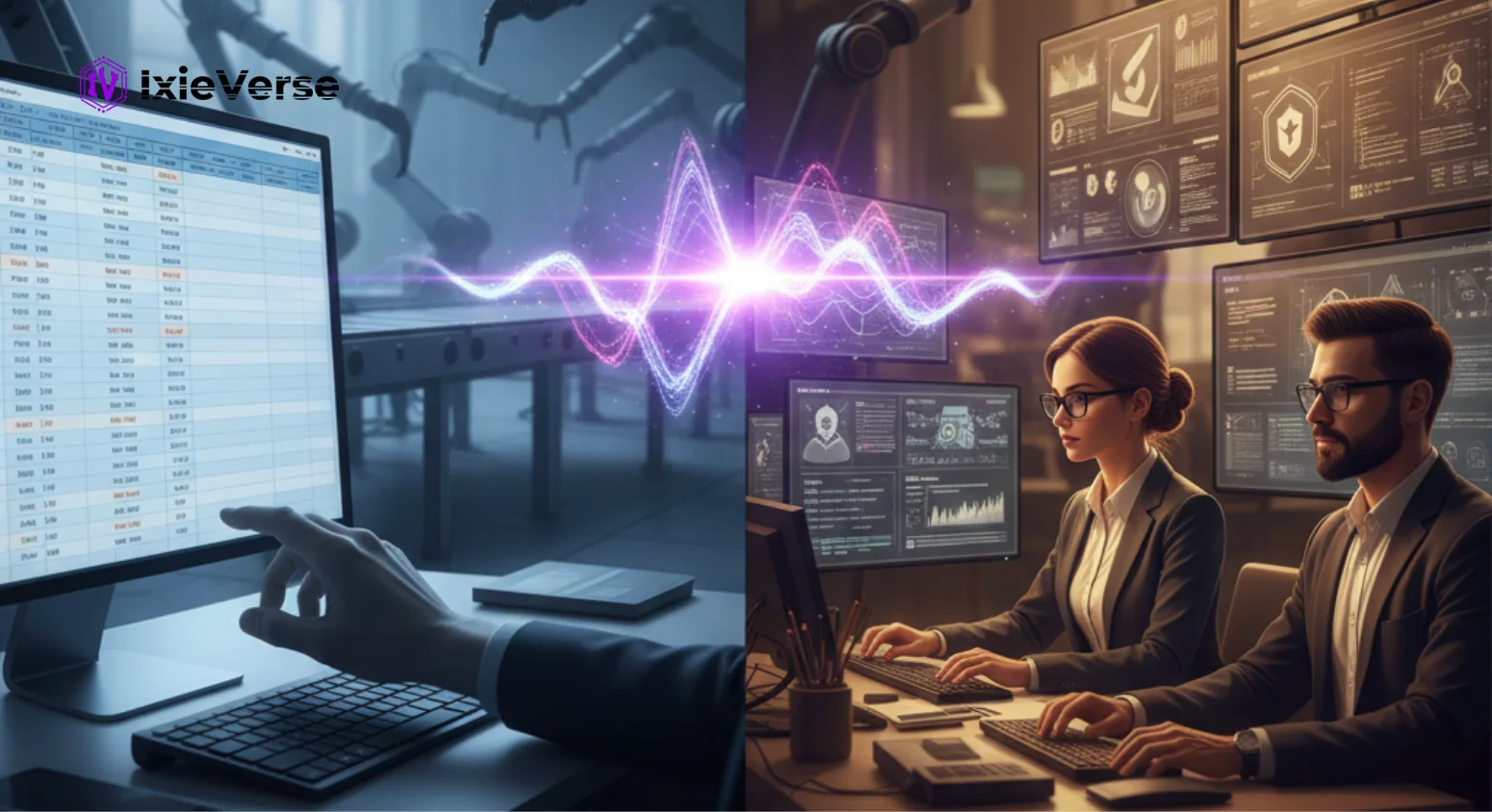
A lot of people are worried about AI replacing human jobs. But the real question isn’t “Will AI take my job?” It’s “What skills make me valuable even when AI is everywhere?”
The future of work will reward people who can work with AI, not compete against it. Here are the skills that actually matter.
Digital Literacy
AI tools are now part of normal office work. If you can’t use basic tech tools, you’ll struggle.
Digital literacy means:
- Knowing how to use AI tools and automation software
- Being comfortable with new apps and platforms
- Understanding how digital systems affect your job
You don’t need to code. But you should know how AI in the workplace works and how to use it to save time.
Data Literacy
AI runs on data. If you can understand numbers and reports, you become more useful.
Data literacy means:
- Reading simple reports and dashboards
- Understanding what the numbers actually mean
- Asking smart questions when something looks off
As AI and employment trends change, people who understand data make better decisions.
Critical Thinking
AI can give answers in seconds. That doesn’t mean those answers are perfect.
Critical thinking means:
- Checking if AI results make sense
- Spotting mistakes or bias
- Making final decisions using human judgment
This is where humans still win. Machines process fast. Humans think deeper.
Creativity
AI can copy patterns. It struggles with original thinking.
Creativity means:
- Coming up with new ideas
- Solving problems in different ways
- Thinking beyond what already exists
Many jobs AI cannot replace need imagination and fresh ideas.
Adaptability
The impact of AI on jobs will keep changing. New tools will come. Old tasks will disappear.
Adaptability means:
- Learning new skills regularly
- Staying open to change
- Not being afraid of new technology
People who adapt stay ahead in this workforce transformation.
Emotional Intelligence
AI doesn’t understand feelings the way humans do.
Emotional intelligence means:
- Understanding people’s emotions
- Communicating clearly
- Building trust
In the AI era, technical skills matter. But human connection still matters more.
Embracing Lifelong Learning
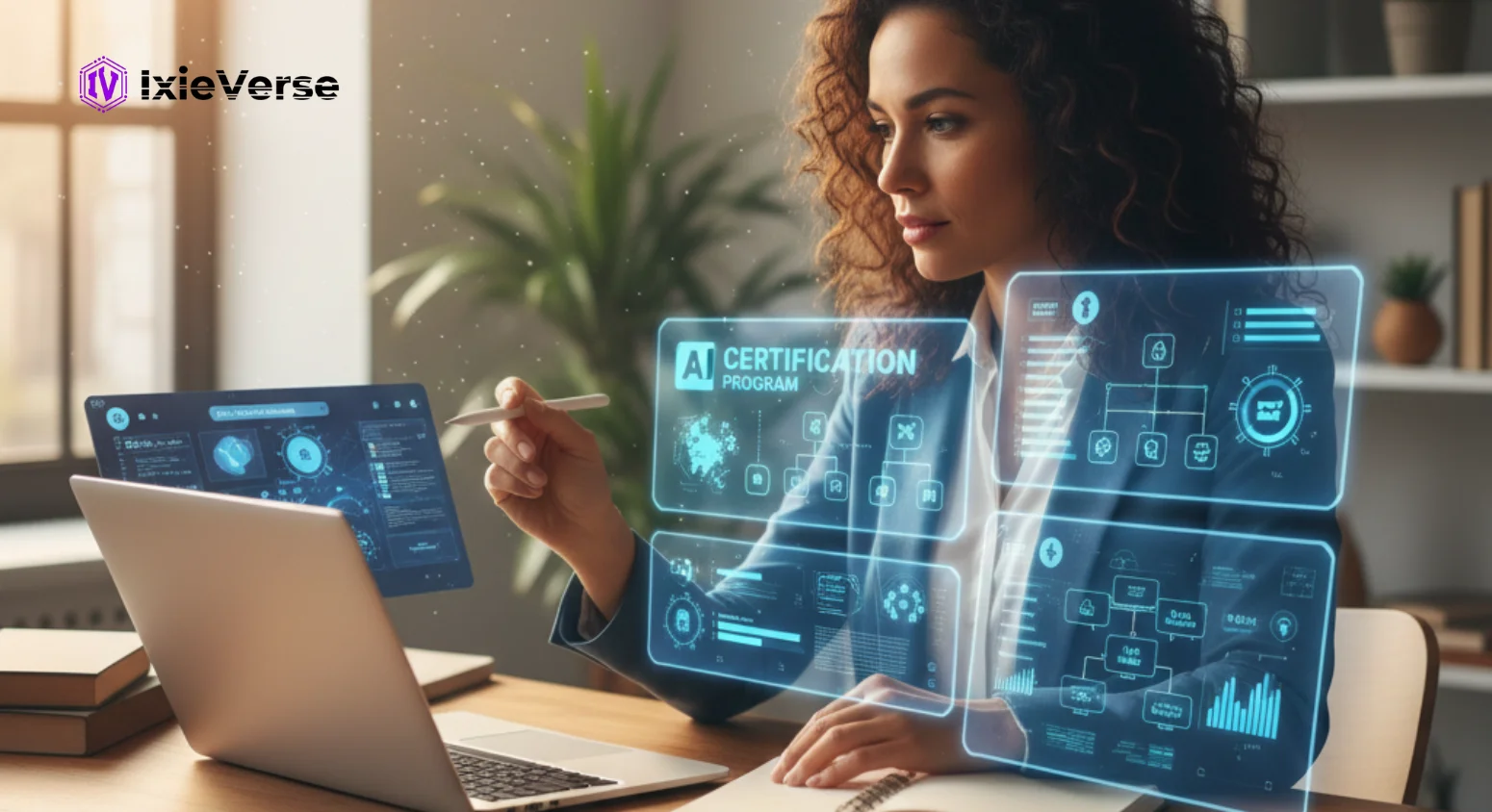
The biggest risk in the AI era isn’t AI itself. It’s staying stuck with outdated skills while AI automation keeps moving forward.
The future of work will reward people who keep learning. Not once. Not twice. But regularly.
Here’s what lifelong learning really looks like in a world shaped by AI and employment changes:
- Updating your skills every year
- Learning how new AI tools affect your industry
- Taking short online courses or certifications
- Following industry trends and reports
You don’t need another full degree. But you may need practical skills like:
- Using AI-powered workplace tools
- Improving data literacy
- Learning basic automation concepts
- Building skills for the AI era that match market demand
If you’re worried about job displacement by AI, the safest move isn’t panic. It’s preparation.
Reskilling and upskilling are no longer optional. They are part of normal career growth now.
The people who stay relevant aren’t the smartest in the room. They’re the ones who keep learning while everyone else stays comfortable.
Conclusion
AI isn’t some distant threat — it’s already changing how people work. The real issue isn’t AI vs human jobs. It’s whether you’re ready for the shift in the future of work.
Yes, the impact of AI on jobs is real. Some roles will shrink. Some will grow. But the people who build the right skills for the AI era, stay adaptable, and keep learning won’t be left behind.
This matters because your income, job security, and career growth depend on it. If you ignore AI automation, you risk falling behind. If you understand it, you stay in control.
Don’t wait for your job to change. Start upgrading your skills now.
Frequently Asked Questions
1. Will AI replace human jobs completely?
No. AI will automate repetitive tasks, but it won’t fully replace roles that require creativity, emotional intelligence, and complex decision-making. The future of work is more about collaboration than replacement.
2. What jobs are most at risk from AI automation?
Jobs that involve repetitive, rule-based tasks — like data entry, basic bookkeeping, and routine customer support — face higher automation risk.
3. What are the safest jobs from AI?
Jobs AI cannot replace easily include healthcare professionals, skilled trades, leadership roles, and creative positions that require human judgment.
4. What skills are needed in the AI era?
Key skills for the AI era include digital literacy, data literacy, critical thinking, adaptability, creativity, and emotional intelligence.
5. Is AI creating new jobs?
Yes. AI job creation is growing in fields like data science, AI engineering, cybersecurity, and automation management.
6. How can I protect my career from AI job displacement?
Focus on reskilling and upskilling. Learn how AI in the workplace affects your role, improve your data skills, and stay adaptable as the workforce transformation continues.


Add a Comment