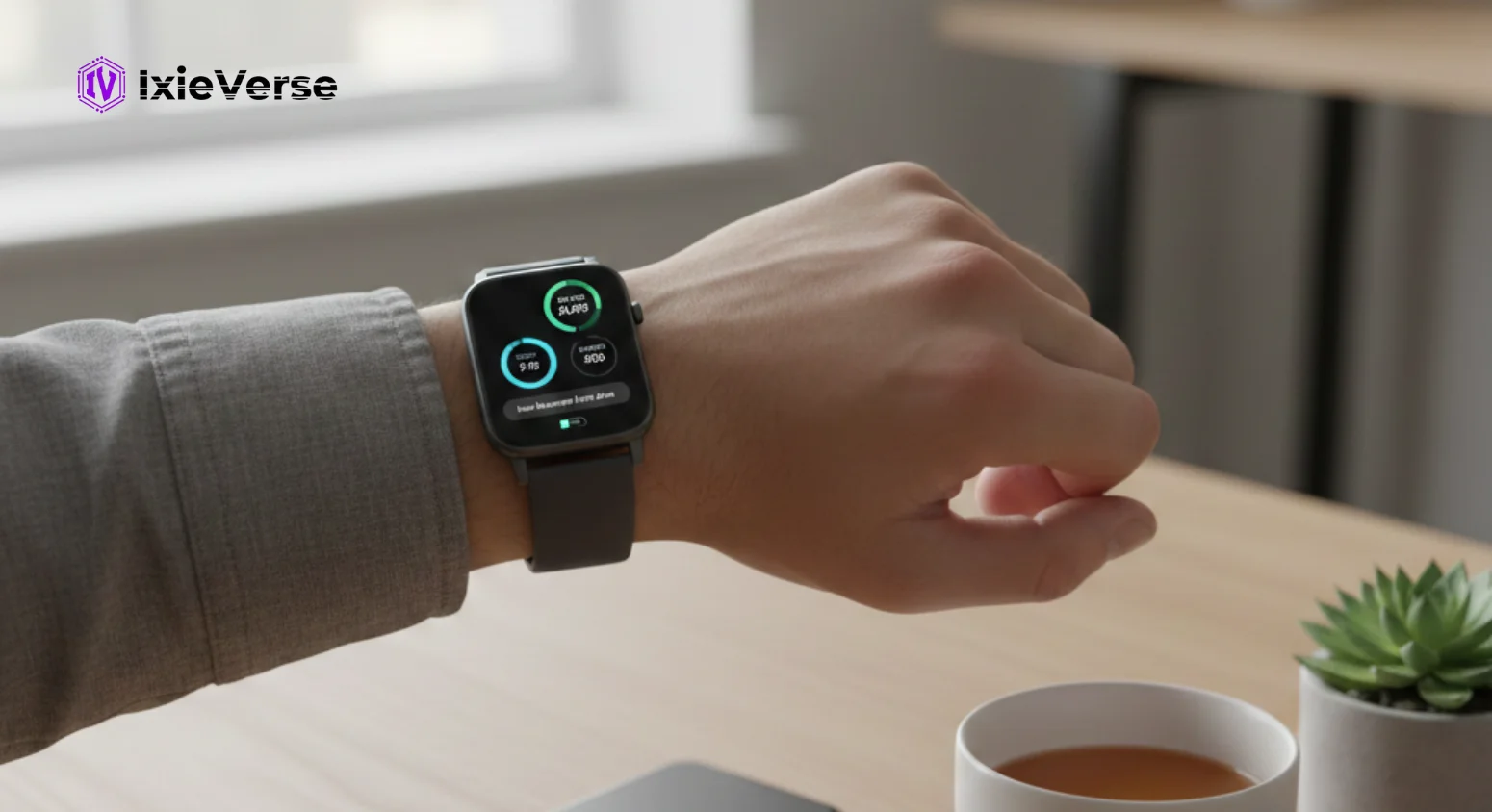
Everyone seems to be wearing a smartwatch these days. At the gym. At work. Even while sleeping. But a lot of people still ask the same question before buying one — are smartwatches worth it, or are they just another gadget you’ll stop using after a few weeks?
On paper, they promise a lot. Fitness tracking, health monitoring, GPS, calls, notifications — all on your wrist. In real life, it’s not always that simple. Battery life, accuracy, and price can change how useful a smartwatch actually feels day to day.
This post breaks down the real-life use cases, the pros and cons of smartwatches, and whether a smartwatch is worth buying based on how people actually use them — not just what the box says.
Quick Answer:
A smartwatch is worth it if you want quick access to notifications, fitness tracking, and everyday tools without constantly using your phone. If battery life, price, or health-tracking accuracy matter more to you than convenience, a smartwatch may not be the right fit.
 ChatGPT
 Grok
Grok
 Claude
 Perplexity
 Google AI
- 1 Why Smartwatches Are So Popular Today
- 2 Real Use Cases People Love (and Why They Matter)
- Notifications & Quick Glance Info
- Fitness & Health Tracking That Actually Helps
- Navigation, Wallet & Voice Assistants
- 3 Pros: What Smartwatches Are Truly Great At
- 4 Cons & Limitations People Should Know
- 5 How to Decide If a Smartwatch Is Worth It for You
- For Fitness Enthusiasts & Athletes
- For Busy Professionals
- For Students & Everyday Users
- 6 FAQs
- Are smartwatches really worth it for everyday use?
- Is a smartwatch worth buying if I already have a smartphone?
- What are the biggest downsides of smartwatches?
- Which smartwatch is best for fitness tracking?
- Do smartwatches work without a phone?
- How long do smartwatches usually last?
Why Smartwatches Are So Popular Today
People don’t buy smartwatches because they look cool. They buy them because checking a phone every few minutes gets annoying, and they want quicker access to the stuff that matters.
A smartwatch puts notifications, health tracking, and daily tools right on your wrist. You don’t need to pull out your phone to see a call, check your steps, or glance at the weather. That convenience is the real reason smartwatches are worth it for many users.
Smartwatches have also improved a lot in the last few years. Battery life is better than it used to be, health sensors are more reliable, and designs now look closer to regular watches instead of mini phones.
The biggest reasons smartwatches are so popular today include:
- Fitness and health tracking that helps people stay consistent, not perfect
- Instant notifications without constant phone checking
- GPS and navigation for walking, running, or travel
- Everyday features like alarms, timers, payments, and music control
For many people, a smartwatch isn’t a luxury anymore. It’s just an easier way to manage daily life without being glued to a phone screen.
Real Use Cases People Love (and Why They Matter)
Most people don’t care about fancy smartwatch features. They care about whether it actually makes daily life easier or just adds another screen to manage.
The value of a smartwatch comes from small, repeatable moments where it saves time, reduces friction, or keeps you moving without pulling out your phone.
Notifications & Quick Glance Info
Constant phone checking is distracting. Missed calls and messages are annoying. This is where smartwatches quietly earn their place.
With a quick glance, you can see calls, texts, app alerts, calendar reminders, and weather updates without unlocking your phone. That alone is a big reason many people feel a smartwatch is worth buying.
Fitness & Health Tracking That Actually Helps
A lot of people struggle with staying consistent, not with knowing what to do. Smartwatches help by turning health tracking into something you notice throughout the day.
Most smartwatches track:
- Steps, workouts, and calories burned
- Heart rate and sleep tracking
- Daily movement reminders to avoid long sitting hours
This kind of fitness tracking smartwatch setup doesn’t make you an athlete. It just keeps health top of mind, which is why many users stick with it long-term.
Navigation, Wallet & Voice Assistants
Using your phone for maps, payments, or quick questions can be clumsy when you’re walking or busy. Smartwatches simplify those moments.
You can:
- Follow GPS directions right on your wrist
- Use tap-to-pay wallets without opening your phone
- Ask a voice assistant to set reminders, check info, or control music
These practical tools turn smartwatches from a “nice-to-have” into something people rely on every day.
Pros: What Smartwatches Are Truly Great At
People often hesitate because they’re not sure if a smartwatch will actually get used every day. The truth is, when the features match your routine, smartwatches can be genuinely useful.
They shine in areas where speed, convenience, and consistency matter more than deep interaction.
Smartwatches are especially good at:
- Instant notifications for calls, messages, and alerts without pulling out your phone
- Fitness and health tracking that keeps daily movement, workouts, and sleep visible
- Quick actions like timers, alarms, reminders, and music control
- Built-in GPS for walks, runs, cycling, and basic navigation
- Hands-free calls and replies when your phone isn’t nearby
- Health monitoring features like heart rate tracking and activity trends
For many users, these benefits are why smartwatches are worth it — not because they replace a phone, but because they reduce how often you need to use one.
Cons & Limitations People Should Know
Smartwatches sound great on paper, but they’re not perfect. Many people feel disappointed because they expect too much or don’t know the trade-offs before buying.
Knowing these limits helps you decide if a smartwatch is worth buying or if it’ll end up sitting in a drawer.
Some common smartwatch pros and cons lean on the downside here:
- Battery life is still a pain point. Most smartwatches last 1–2 days, especially with GPS and health tracking on.
- High price for premium models can feel hard to justify if you only use basic features.
- Accuracy isn’t medical-grade, especially for sleep, stress, or calorie tracking.
- Phone dependence is real. Many features still rely on being connected to your smartphone.
- Small screens make typing, browsing, or long interactions uncomfortable.
- Limited lifespan compared to traditional watches, since software and batteries age faster.
These limits don’t make smartwatches bad, but they do explain why they’re not the right fit for everyone.
How to Decide If a Smartwatch Is Worth It for You
The biggest mistake people make is buying a smartwatch because it’s popular. A smartwatch is worth buying only when it fits how you live and work every day.
Think less about brand hype and more about what problems you want it to solve.
For Fitness Enthusiasts & Athletes
Tracking workouts on your phone can be clunky, especially outdoors. A smartwatch makes training data easy to collect without breaking focus.
Look for:
- Accurate fitness tracking smartwatch features like heart rate and workout modes
- Built-in GPS for running, cycling, or walking
- Battery life that can handle long workouts
- Water resistance for sweat and outdoor use
For Busy Professionals
Constant phone checks during work can be distracting. A smartwatch filters the noise so you only look when it matters.
Useful features include:
- Quick notifications for calls, messages, and meetings
- Reminders and calendar alerts at a glance
- Hands-free calls when your phone isn’t within reach
This setup helps reduce screen time while staying connected.
For Students & Everyday Users
Most students and casual users don’t need advanced health metrics. Simple tools that help with daily routines matter more.
A good smartwatch for everyday use should offer:
- Basic fitness and step tracking
- Alarms, timers, and reminders for schedules
- Affordable pricing with essential features
- Decent battery life to avoid daily charging
For this group, the value comes from convenience, not complexity.
FAQs
Are smartwatches really worth it for everyday use?
Yes, if you want quick notifications, basic fitness tracking, and simple daily tools without checking your phone all the time. For light users, even budget smartwatches can feel useful.
Is a smartwatch worth buying if I already have a smartphone?
A smartwatch doesn’t replace your phone. It reduces how often you need to use it. That’s why many people feel a smartwatch is worth buying despite owning a good phone.
What are the biggest downsides of smartwatches?
The most common issues are short battery life, high prices for premium models, and health tracking that isn’t 100% accurate. Knowing these limits helps set realistic expectations.
Which smartwatch is best for fitness tracking?
Look for a fitness tracking smartwatch with reliable heart rate monitoring, built-in GPS, and good battery life. Accuracy and comfort matter more than flashy features.
Do smartwatches work without a phone?
Most smartwatches still need a phone for setup and full features. Some models with LTE can work independently, but they cost more and still have limits.
How long do smartwatches usually last?
Most smartwatches last 3–5 years before battery or software support becomes an issue. That’s shorter than traditional watches, but normal for wearable tech.




![50 Best Website Design Examples for Inspiration [2026]](https://ixieverse.com/wp-content/uploads/2026/08/Best-Website-Design-Examples-150x150.webp)
Add a Comment